CETIM

Follow us:

advanced materials Tag

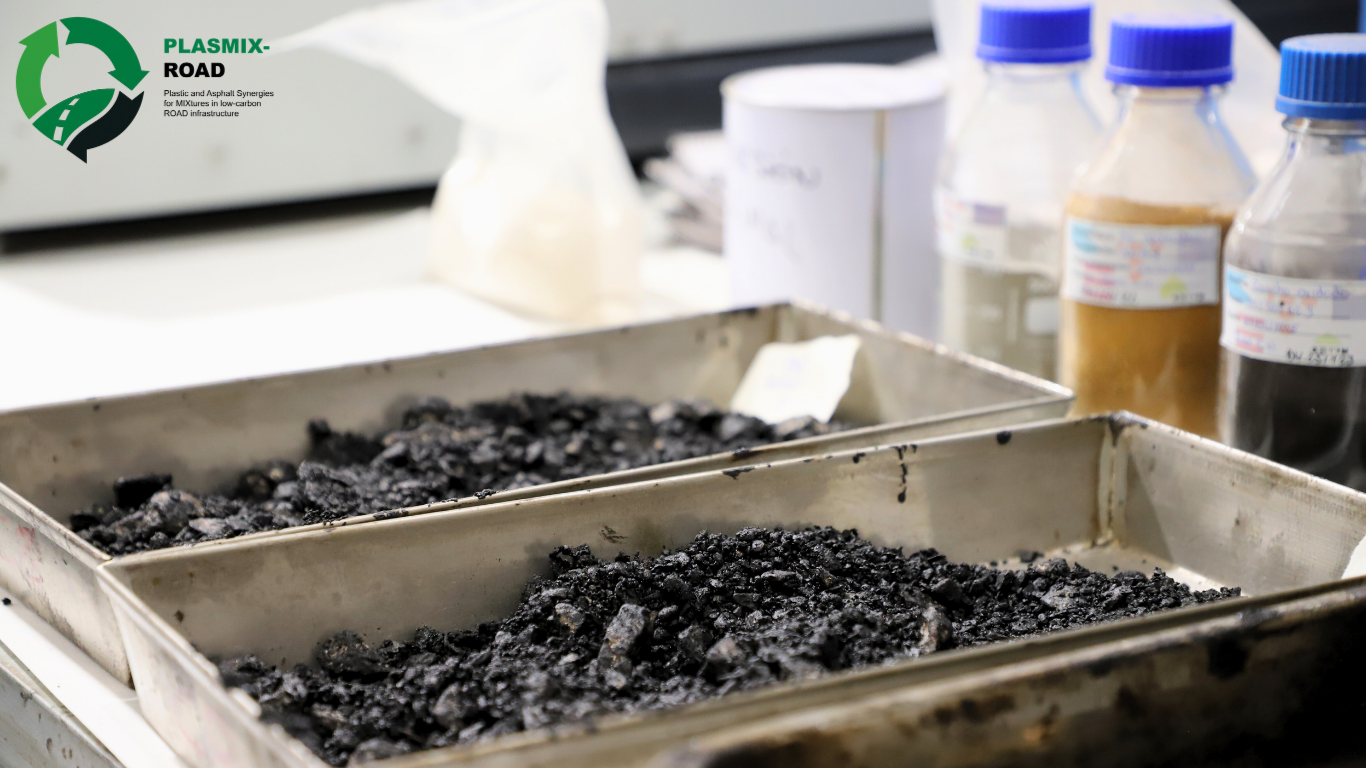
At CETIM, we are contributing to the creation of a circular and digitally integrated value chain that transforms plastic waste into functional additives for more sustainable asphalt mixtures. [caption id="attachment_18334" align="aligncenter" width="795"] Sustainable Building Materials Laboratory at CETIM.[/caption] The production of conventional bituminous mixtures, used to build roads, depends on petroleum products, such as bitumen, and the intensive use of primary resources, with significant implications for both...

Read More

The strategic collaboration between Ferroglobe and CETIM has made it possible to optimise the processes for obtaining silicon and biocarbons with excellent results for lithium-ion batteries, significantly improving both their capacity and useful life. [caption id="attachment_18006" align="aligncenter" width="644"] Speakers at the final event of UMI VOLTA.[/caption] UMI VOLTA project came to an end last September, when a final event was held to present the excellent results of...

Read More

At CETIM, we are participating in the search for sustainable alternatives to conventional fossil-based compounds used in the wood sector to improve the circularity of sectors such as construction, packaging and real estate, among others. [caption id="attachment_17976" align="aligncenter" width="653"] Advanced Materials Team and CETIM European Projects Office at the SUSPENSE Kick Off.[/caption] Historically, fossil-based adhesives have been used in sectors such as construction, packaging and the furniture...

Read More

In the NEWPOWER project, in which we are participating together with the University of Vigo and 11 other partners, we will obtain biomaterials from agricultural and forestry waste that can be used in the food, pharmaceutical, biotechnological and organic farming industries. [caption id="attachment_15928" align="aligncenter" width="650"] Lignin test in the CETIM laboratory.[/caption] The abandonment of rural areas and the accumulation of agricultural and forestry waste are some of...

Read More

The project, which CETIM is collaborating with ENCE and MISTURAS, will develop cold and warm bituminous mixtures with improved mechanical and rheological performance, to achieve a significant reduction in the carbon footprint and boost the circular economy in the sector. [caption id="attachment_15934" align="aligncenter" width="763"] Test in the CETIM's construction laboratory.[/caption] The use of raw materials with a lower carbon footprint, renewable and circular, which contribute to the...

Read More

At NanomatIA we will test AI-based strategies to accelerate the design and discovery of new materials in the energy storage sector. [caption id="attachment_15550" align="aligncenter" width="657"] Energy Storage Materials Laboratory at CETIM.[/caption] The research and development of new materials with better and more sustainable properties is limited by the time and economic cost, as the different types of materials to be considered is incredibly large. Due to the...

Read More

Smart2ReDuCe is a project we are working on at our Technological Centre to contribute to the Circular Economy and the decarbonisation of the sector, converting waste into new sustainable materials for construction. The construction and operation of buildings accounts for almost 40% of the depletion of natural resources and generates 25% of the world's waste. Construction and Demolition Waste (C&DW) has become one of the main...

Read More
Javier Portela López | Director de I+D y Calidad de FINSA

Wood is, in essence, a circular raw material with an unbeatable degree of sustainability, far above that of other materials. This is an added value with which leading companies in the forestry sector such as FINSA work on a daily basis, promoting it through innovation to obtain new materials from waste; cutting-edge R&D projects in which CETIM collaborates. “Some of our factories can use up to 80% recycled material as raw material” says Javier Portela López, director of R&D and Quality at FINSA.

Read More

Last May, CDTI approved financing a budget of more than 5 million euros for the DICKENS project, for industrial research in obtaining composites from natural sources.


The project is funded through the National Business Research Consortiums (CIEN, for its Spanish acronym) strategic program.


On November 3, the first consortium meeting of the project took place, formed by ENCE, BASF Construction Chemicals, Omar Coatings, CARINSA, QMC Tecnología Química, Tecno-Caucho and Pinturas BRUPER.

Read More